
Sauces & Condiments
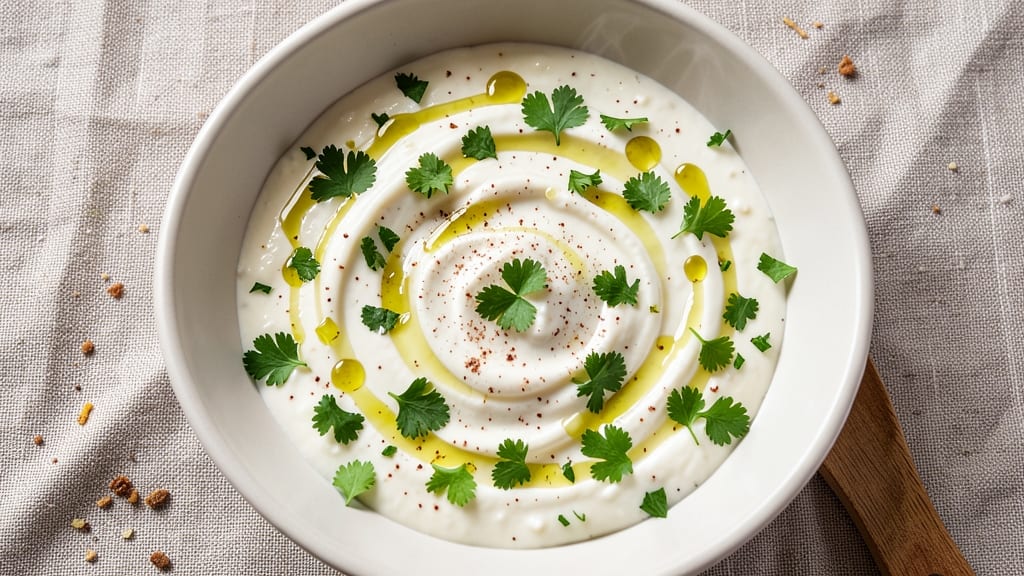
This Cameroon salad cream recipe transforms simple ingredients into a velvety, tangy condiment that elevates every dish it touches. The secret lies in balancing yogurt’s natural acidity with just enough oil to create that signature creamy texture, while fresh herbs and a hint of nutmeg bring the dish to life.
What makes this recipe special is its versatility—it works as a salad dressing, sandwich spread, or even a dip for fresh vegetables, all while staying true to Cameroon’s bold flavors.
The foundation of this salad cream is a smooth yogurt base, emulsified with a touch of oil to prevent separation. A splash of vinegar or lemon juice brightens the flavor, while fresh herbs like parsley or cilantro add a zesty freshness that cuts through richness.
The result is a condiment that’s light yet rich, tangy yet creamy, and impossible to resist. Unlike store-bought versions, this recipe delivers authentic taste with no artificial additives.
What you’ll end up with is a jar of golden-hued salad cream that keeps beautifully in the refrigerator for up to a week, ready to transform any meal.
Whether drizzled over a fresh garden salad, spread on crusty bread, or used as a dip for crisp vegetables, it adds a layer of complexity that takes dishes from ordinary to extraordinary. The best part? It comes together in just 10 minutes with ingredients you likely already have on hand.
For added depth, consider incorporating a pinch of curry powder or a dash of hot sauce for a spicy kick. The possibilities are endless, but the base recipe remains foolproof—perfect for both beginners and seasoned cooks alike. Let’s get started on creating this flavorful staple for your kitchen.
Ingredients for cameroon salad cream
Nine simple ingredients transform into a velvety, tangy Cameroon salad cream that elevates every dish.
| Ingredient | Amount | Notes |
|---|---|---|
| Plain Yogurt 🧀 | 1 cup | Full-fat for creaminess |
| Extra-Virgin Olive Oil 🫒 | ½ cup | Light variety preferred |
| Fresh Parsley Leaves 🌿 | ½ cup | Finely chopped for texture |
| Fresh Cilantro Leaves 🌿 | ¼ cup | Finely chopped for zing |
| White Vinegar 🍋 | 1 tbsp | Or lemon juice for brightness |
| Ground Nutmeg 🌶️ | ¼ tsp | Freshly grated for warmth |
| Salt 🧂 | ½ tsp | Diamond Crystal preferred |
| Black Pepper 🌶️ | ¼ tsp | Freshly ground for depth |
| Garlic Cloves 🧄 | 1 clove | Minced for subtle flavor |
| Fresh Ginger 🌿 | ½ tsp | Finely grated for freshness |
The yogurt base is non-negotiable for that signature creamy texture. Full-fat Greek yogurt from Chobani or Fage works best—it stays thick and rich. For the herbs, farmers markets have the freshest parsley and cilantro, but grocery store bunches work too if they're vibrant. The olive oil should be light, not robust; Kirkland Signature is a budget-friendly option that delivers. Nutmeg is key here—grate it fresh for maximum warmth, or grab pre-ground from Penzeys for convenience. The garlic and ginger add subtle depth, so don't skip them.
No parsley? Fresh basil or dill at half the amount works in a pinch. Short on cilantro? Fresh mint gives a different but equally bright flavor. Vinegar out of stock? Lemon juice or apple cider vinegar both work—just adjust to taste. The olive oil can be swapped for avocado oil if you prefer a milder taste. For extra richness, add 1 tbsp of tahini to the mix. Store-bought salad cream? This homemade version beats it every time—no artificial additives, just real flavor.
This salad cream keeps beautifully in the fridge for up to 1 week if stored in a sealed jar. For longer storage, freeze portions for up to 3 months. I like to portion it into small containers so it's ready to grab for quick meals. The flavors meld beautifully over time, so it often tastes even better the next day. Use it as a salad dressing, sandwich spread, or dip for fresh veggies—it's that versatile.
Why You'll Love This Recipe
- Five-Ingredient Magic: I swear by this combo—just yogurt, olive oil, herbs, and vinegar. No fancy gadgets, no measuring cups stressing me out. Honestly, I’ve made it while standing at the stove stirring something else. That’s how simple it is.
- Herb-Packed Punch: The parsley and cilantro? They’re the stars here. Fresh, bright, and just a little tangy from the vinegar—it’s the kind of flavor that makes you pause mid-bite. Between us, I’ve seen people go back for seconds just because of this dressing alone.
- Meal Prep MVP: This stuff keeps like a dream in the fridge. I make a big batch on Sundays and toss it into salads all week—no last-minute panic. It even works on grilled meats or roasted veggies. (Yes, even on a Tuesday night.)
- Budget Brightener: Olive oil and vinegar are my pantry staples, and yogurt stretches further than you’d think. Fresh herbs feel fancy, but a handful goes a long way. Here’s what sold me—it turns basic meals into something that tastes like you put in effort.
Step-by-step instructions for Cameroon salad cream
This tangy, herb-forward dressing delivers the signature zing of Cameroon cuisine with a balanced blend of yogurt, fresh herbs, and subtle spices.
Prepare the Fresh Herb Mixture
In a medium bowl, combine the 0.5 cup fresh parsley leaves and 0.25 cup fresh cilantro leaves. I like to use a sharp chef's knife and chop them finely—about 1/8-inch pieces—to ensure even distribution throughout the dressing. The parsley provides a bright, clean herbaceousness while the cilantro adds a citrusy, slightly peppery note that's essential to Cameroon's flavor profile.
Set the chopped herbs aside while you prepare the remaining ingredients. If you're using particularly fibrous stems, remove them first—they can make the dressing too thick. For best results, use fresh herbs that smell vibrant and perky, not wilted.
Mix the Base Ingredients
In a separate bowl, whisk together the 1 cup plain yogurt and 0.5 cup extra-virgin olive oil until completely smooth. I use a fork first to break up any lumps in the yogurt, then switch to a whisk for about 30 seconds to create a light, emulsified texture. The olive oil should be incorporated evenly—you're aiming for a creamy consistency that coats the back of a spoon.
Add the 1 tbsp white vinegar and whisk again for 15 seconds. The vinegar brightens the yogurt's natural tang and balances the richness of the olive oil. This is where the dressing starts to come together—you'll notice it become slightly thinner and more fluid as the acidity activates.
Incorporate Aromatics and Spices
Finely mince the 1 clove garlic and grate the 0.5 tsp fresh ginger using a microplane or fine grater. The garlic should be almost paste-like, while the ginger should resemble fine sand. Add these to the yogurt mixture along with the 0.25 tsp ground nutmeg, 0.5 tsp salt, and 0.25 tsp black pepper. Stir well with a silicone spatula to distribute everything evenly.
Here's where the magic happens: the nutmeg adds warm depth, the ginger brings a fresh, slightly spicy kick, and the garlic rounds out the flavors. Taste the mixture now—it should be tangy, herby, and balanced with a subtle warmth from the spices. If it needs more salt, add it gradually; you can't take it out later.
Combine and Adjust Consistency
Gently fold in the prepared herb mixture using a rubber spatula, being careful not to overmix. The dressing should now have a vibrant green color with visible herb flecks. For a smoother texture, you can pulse the herbs briefly in a food processor before adding, but I prefer the rustic look of visible herbs for authentic flavor.
Taste and adjust the balance: if it's too thick, add 1-2 teaspoons of water at a time until it reaches a pourable consistency that clings to greens. If it's too tangy, add a pinch more yogurt. The dressing should coat the back of a spoon but still flow easily—this ensures it'll cling perfectly to your salads without making them soggy.
Rest and Serve
Cover the bowl and let the dressing rest at room temperature for 15-20 minutes. This allows the flavors to meld and the spices to infuse fully. I know it's tempting to use it immediately, but this short wait makes a noticeable difference in depth of flavor.
Before serving, give it one final stir. The dressing should now have a vibrant green hue with a creamy, velvety texture. Use it immediately on fresh salads, grilled meats, or as a dip for vegetables. For best results, store any leftovers in an airtight container in the refrigerator for up to 3 days, giving it a quick stir before using to restore its creamy texture.
Pro Tips For Making Cameroon Salad Cream
- Whisk the Yogurt Cold: DESCRIPTION:
- Pulse Herbs, Don’t Chop: DESCRIPTION:
- Balance Vinegar Gradually: DESCRIPTION:
- Strain If You’re Lazy: DESCRIPTION:
Essential equipment for this recipe
Emulsification Tools
For a perfectly smooth Cameroon salad cream, you'll need tools that help create and maintain that creamy texture. I use a handheld immersion blender (like the Ninja Mini) to blend the yogurt and oil seamlessly—it's faster than whisking and prevents separation.
If you don't have one, a whisk or fork works, but blend briefly in a food processor for a smoother finish. The key is to emulsify the oil into the yogurt evenly, so don't rush this step. 🌟
Storage Containers
Once your salad cream is ready, store it in airtight glass jars with tight-sealing lids—I love Le Parfait 16-ounce jars for their durability. Glass preserves flavor better than plastic and won't absorb odors. For portion control, use smaller 8-ounce jars so you can grab just what you need.
Label them with the date to track freshness, as the dressing tastes best within 3 days of making it. ❄️
Herb Prep Tools
Fresh herbs are the heart of this dressing, so invest in a sharp chef's knife and a cutting board with a non-slip base. I prefer a Wüsthof Classic knife for chopping parsley and cilantro—it glides through leaves without crushing them.
For extra convenience, a microplane comes in handy for grating ginger and garlic quickly. If you're short on time, a small food processor can pulse herbs into tiny bits in seconds. 🌿
Measuring Essentials
Precision matters in this recipe, so grab a stainless steel measuring cup set (like OXO Good Grips) for accurate measurements. A fine-mesh strainer helps remove any herb stems before blending, ensuring a silky texture.
For spices, a spice grinder keeps nutmeg and pepper fresh, while a teaspoon and ¼ teaspoon measure ensure you don't overdo the salt or pepper. Don't skip measuring—it's what balances the tangy, creamy perfection. 🧂
Nutrition facts
Frequently asked questions
Can I make this Cameroon salad cream without yogurt?
Yes, but the texture will be thinner. For a creamy alternative, use 1 cup mayonnaise instead of yogurt, reducing the olive oil to ¼ cup. Add 1 tsp Dijon mustard to help emulsify. The flavor will be richer but less tangy than the yogurt version.
How do I fix separated salad cream?
Stir vigorously with a whisk or fork to re-emulsify. If it still separates, add 1 tsp water and whisk again. For stubborn separation, mix 1 tsp cornstarch with 1 tbsp cold water, stir into the dressing, and heat gently (don't boil) until thickened. Let cool before using.
What are the best ways to use this dressing?
This versatile cream works as a salad dressing, sandwich spread, or dip. Try it on greens with grilled chicken, as a spread for crusty baguettes, or as a dip for carrot sticks and cucumbers. It also elevates pasta salads or cold cuts like prosciutto or turkey.
Can I make this dressing spicier?
For heat, add ½ tsp cayenne pepper or 1 tsp hot sauce (like Tabasco). For smoky depth, stir in ½ tsp smoked paprika. Start with small amounts—you can always add more but can't remove excess spice. Taste as you go!
Why does my dressing taste too tangy?
Too much vinegar or lemon juice is likely the culprit. Balance it by adding 1 tbsp plain yogurt or 1 tsp olive oil. If you prefer less tang, reduce the vinegar to ½ tbsp in future batches. The yogurt base naturally mellows acidity, so using full-fat yogurt helps too.