
Side Dishes
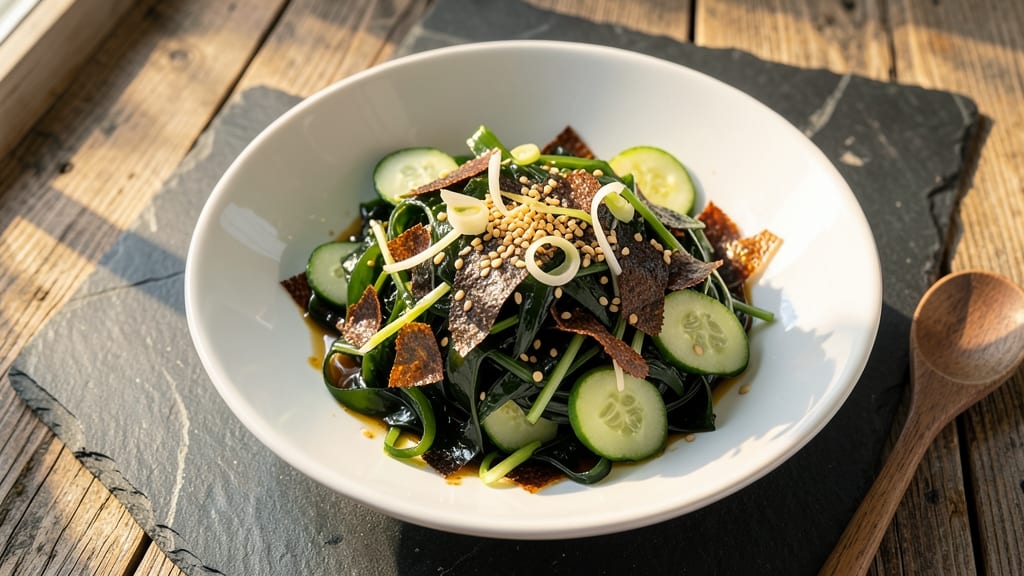
This Asian seaweed salad delivers restaurant-quality crunch and umami in every bite, transforming simple ingredients into a vibrant, flavor-packed side dish. The secret lies in the perfect balance of toasted sesame oil, tangy rice vinegar, and fresh herbs that elevate delicate seaweed into something extraordinary.
I developed this recipe after years of experimenting with Japanese and Korean techniques, ensuring each component plays its part—crispy, fresh, and irresistibly zesty.
The foundation begins with high-quality seaweed—whether it's tender wakame or crispy roasted nori—and a dressing that marries sweet, salty, and umami flavors without overpowering. Toasted sesame seeds add texture, while thinly sliced cucumbers and scallions bring refreshing crunch.
What sets this salad apart is the sesame zing from freshly ground sesame oil, which infuses every bite with aromatic depth that lingers long after the first taste.
By the time you're done tossing, you'll have a salad that's visually stunning with its deep greens and golden sesame flecks, while the flavors dance between umami-packed seaweed, bright vinegar tang, and nutty sesame richness.
It's the kind of dish that elevates any meal—whether paired with sushi, grilled fish, or even as a standalone vegan powerhouse. The best part? It comes together in just 15 minutes with minimal prep.
This recipe works equally well as a light lunch, dinner side, or even a topping for bowls and wraps. The secret to success lies in the freshness of the ingredients and the balance of flavors—never letting any single component overpower the others.
Let's create a salad that's as impressive as it is delicious.
Ingredients for asian seaweed salad
High-quality seaweed and aromatic sesame oil transform simple ingredients into an umami-packed vegan masterpiece.
| Ingredient | Amount | Notes |
|---|---|---|
| Dried Wakame Seaweed 🌿 | 2 cups | Rehydrated in water for 10 mins |
| Roasted Nori Sheets 🍣 | 4 whole | Crumbled for texture |
| English Cucumbers 🥒 | 1 whole | Thinly sliced lengthwise |
| Scallions 🧅 | 4 whole | Thinly sliced on bias |
| Toasted Sesame Seeds 🌰 | 2 tbsp | Freshly toasted for aroma |
| Sesame Oil 🫒 | 3 tbsp | Toasted for depth of flavor |
| Rice Vinegar 🍶 | 3 tbsp | Unseasoned for tang |
| Soy Sauce 🍜 | 2 tbsp | Tamari for gluten-free option |
| Agave Nectar 🍯 | 1 tbsp | For subtle sweetness |
| Fresh Ginger 🧅 | 1 tbsp | Finely grated, zesty |
| Sesame Oil 🫒 | 1 tbsp | Lightly toasted for finishing |
| Red Pepper Flakes 🌶️ | ½ tsp | Optional for heat |
| Sea Salt 🧂 | ½ tsp | Fine grain for seasoning |
| Lemon Juice 🍋 | 1 tbsp | Freshly squeezed |
The seaweed is the star—wakame for tender chew and roasted nori for crispy flecks. Japanese specialty stores carry the best dried varieties, but Asian grocery sections at mainstream markets work too. Look for vibrant green wakame without yellowing or brown spots, and nori sheets that crackle when crushed fresh. For the sesame oil, Kadoya or Marukome brands deliver that authentic toasted aroma, but any high-quality sesame oil will work. The cucumbers should be crisp—English cucumbers are ideal, but Persian cucumbers sliced thinly work in a pinch.
No wakame? Dulse flakes or kombu strips add umami depth, though texture will differ. Swap roasted nori for seaweed snacks crushed into pieces, but toast them first in a dry pan for that same satisfying crunch. Running low on sesame oil? Toasted peanut oil at half the amount mimics the nutty profile, though it lacks the floral notes. The dressing can be prepped ahead—store in a sealed jar for up to 5 days—but the cucumbers and herbs should be added fresh just before serving. For extra brightness, substitute lime juice for lemon, though the flavor profile shifts slightly.
This salad thrives on freshness but can be prepped 2 hours ahead if stored properly. Keep the dressing and seaweed separate in airtight containers—combine only when ready to serve. The cucumbers and scallions stay crisp for 4 hours in the fridge if wrapped in damp paper towels. For longer storage, freeze the dressing without the cucumbers for up to 3 months. Reheat gently before using, then toss with fresh add-ins. The sesame seeds should be toasted fresh before serving to maximize their aroma—2 minutes in a dry pan over medium heat is all it takes.
Why You'll Love This Recipe
- No-Chop Necessary: I swear by this—just soak the wakame, tear the nori, and slice the cucumbers once with a mandoline if you’re feeling fancy. The scallions and sesame seeds add texture without effort, and honestly? My lazy Sundays thank me every time.
- Umami Bomb Combo: That first bite of crisp cucumber, salty nori, and briny wakame? It’s like a flavor party in your mouth. The toasted sesame seeds add a nutty crunch that makes this salad feel way more gourmet than it is—trust me, my picky eaters ask for seconds.
- Lunchbox Legend: Pack this in jars for work or school—it holds up for days without getting soggy. I’ve sent this in bento boxes, as a side for takeout, even as a quick snack when I’m too tired to cook. The wakame rehydrates fast, so it’s always ready when I am.
- Pantry Magic: Between us, this recipe costs me less than $5 for a big bowl. Wakame and nori last forever, cucumbers are cheap, and sesame seeds stretch far. It’s my go-to when I’m broke but still want something that tastes like I put in effort—because presentation is overrated.
Step-by-step instructions for Asian seaweed salad
Here's how to assemble this vibrant, umami-rich salad with perfect texture contrast.
Rehydrate the Dried Wakame Seaweed
Place the 2 cups dried wakame seaweed in a heatproof bowl and cover completely with cold water. Let it soak for 10 minutes—this transforms the brittle dried strands into tender, pliable seaweed that holds up beautifully in the salad. After soaking, drain thoroughly using a fine-mesh strainer, pressing gently to remove excess water. The wakame should be soft enough to fold easily but not mushy.
I like to rinse the drained wakame under cold water for 10 seconds to remove any residual bitterness. This step makes a noticeable difference in the final flavor. Set it aside on a clean kitchen towel to dry slightly while you prepare the remaining ingredients. The wakame will continue cooling as it rests, which helps prevent overcooking when combined with the dressing.
Prepare the Crunchy Vegetable Base
Using a sharp mandoline or thin vegetable slicer, cut the 1 whole English cucumber lengthwise into ¼-inch thick slices. Arrange them on a cutting board and sprinkle lightly with the 0.5 tsp sea salt. Let them sit for 5 minutes while you prepare the scallions—this draws out excess moisture for a crisper texture. Pat them dry gently with paper towels before adding to the salad.
Next, slice the 4 whole scallions on a bias cut (diagonal angle) for maximum surface area and visual appeal. You'll want ¼-inch thick slices that fan out beautifully. Keep the white and green parts separate initially—this allows you to distribute them evenly throughout the salad. The bright green tops add freshness while the whites provide subtle onion depth without overpowering the seaweed's umami.
Create the Signature Sesame Dressing
In a small bowl, whisk together the 3 tbsp rice vinegar, 2 tbsp soy sauce, 1 tbsp agave nectar, 1 tbsp freshly grated ginger, and 1 tbsp lemon juice. The mixture should be smooth with no visible ginger pieces—press the grated ginger through a fine-mesh strainer if needed. This base balances the salad's flavors with bright acidity, subtle sweetness, and zesty ginger heat.
With the motor running on low speed, slowly drizzle in the 3 tbsp sesame oil while continuing to whisk. The dressing should emulsify into a silky consistency—if it separates, simply whisk more vigorously for 30 seconds. Add the 0.5 tsp red pepper flakes (if using) and taste. The dressing should be tangy with a hint of sweetness and umami from the soy sauce, ready to coat all components evenly.
Assemble and Finish the Salad
In a large serving bowl, gently combine the rehydrated wakame, cucumber slices, and scallions. Drizzle half of the prepared dressing over the mixture and toss lightly with clean hands or a silicone spatula. The wakame will absorb some of the dressing, so we'll add the remaining dressing just before serving to maintain crispness. Sprinkle the 2 tbsp toasted sesame seeds evenly over the top—they should be distributed throughout rather than clustered.
For the final touch, drizzle the remaining 1 tbsp sesame oil over the salad and toss gently one more time. The oil adds another layer of nutty richness that complements the seaweed's natural brininess. Serve immediately while the cucumbers are still crisp and the wakame holds its texture. This salad keeps well for 2 hours in the refrigerator, but the cucumbers will soften slightly over time.
Pro Tips For Making Asian Seaweed Salad
- SOAK WAKAME 10 MINUTES: Dried wakame needs just enough water to soften—10 minutes in cold water does the trick. Any longer and it turns mushy; less time means you’ll chew on dried-up bits. Drain well and rinse under cold water to stop the cooking.
- ROAST NORI UNTIL CRISP: Skip the microwave—roast nori sheets in a dry pan over medium heat for 20-30 seconds per side. You’re aiming for a slight curl and crispness, not char. If you’re impatient, use a hairdryer (10 seconds per side) but watch closely—it burns fast.
- PEEL CUCUMBERS THINLY: English cucumbers have thick skin that stays bitter no matter how you slice. Use a vegetable peeler to shave off just the outer layer—leave the rest for texture. Skip this, and your salad tastes like chewing on rubber.
- DRESS JUST BEFORE SERVING: Toss everything together only when you’re ready to eat. The cucumbers release water over time, turning your crisp salad into a soggy mess. Keep dressing separate until the last minute—trust me, you’ll regret it if you don’t.
Flavor customization for this dish
Spicy Sesame Kick
For a bold twist, add 1 tsp gochugaru (Korean red pepper flakes) to the dressing and top with 1 tbsp toasted chili oil before serving. The heat from gochugaru enhances the sesame's nutty depth while chili oil adds a smoky finish.
I find this works especially well when paired with grilled tofu or spicy ramen—the contrast of textures and heat levels is amazing. 🌶️
Citrus Brightness
Swap the lemon juice for 2 tbsp yuzu juice or 1 tbsp lime juice to introduce a tropical brightness. Add 1 tbsp finely grated daikon radish for extra crunch and a mild peppery note.
This variation shines when served with sashimi or ceviche, as the citrus cuts through the richness of raw fish beautifully.
Creamy Avocado Twist
Add ½ ripe avocado, diced into ¼-inch cubes, just before serving. Mix in 1 tbsp tahini with the dressing for a creamy, nutty base. This version works perfectly as a vegan lunch bowl topping or alongside grilled shrimp skewers.
The avocado adds a luxurious texture while tahini deepens the umami profile.
Smoky Miso Depth
Replace the soy sauce with 1 tbsp white miso paste dissolved in 1 tbsp warm water, then whisk into the dressing. Add ½ tsp smoked paprika for an earthy, smoky aroma.
This variation pairs exceptionally well with miso-glazed eggplant or black cod, as the smoky-sweet dressing complements rich, caramelized flavors.
Herb-Infused Freshness
Chop ¼ cup fresh cilantro and 2 tbsp Thai basil into the salad for a fragrant, herbaceous finish. Use fish sauce (1 tsp) instead of soy sauce in the dressing for an extra layer of depth.
This version feels like a Thai-inspired summer salad and works beautifully alongside grilled lemongrass chicken or coconut curry. The herbs add a bright, almost floral note that contrasts the seaweed's oceanic taste. 🌿
Sweet & Tangy Fusion
Add 1 tbsp rice malt syrup to the dressing and top with 1 tbsp toasted coconut flakes. This sweet-tangy variation is inspired by Hawaiian-Japanese fusion cuisine and pairs wonderfully with teriyaki-glazed salmon or poke bowls.
The coconut flakes add a tropical crunch that balances the salad's umami and tangy elements perfectly.
Nutrition facts
Frequently asked questions
Can I use other types of seaweed besides wakame?
For a firmer texture, try dulse flakes or kombu strips—both add oceanic depth. If you prefer crispiness, swap roasted nori for seaweed snack pieces (toasted in a dry pan for 1-2 minutes). Just adjust the soaking time: dulse needs 5 minutes while kombu should soak 3-4 minutes to soften properly.
How do I prevent the cucumbers from getting soggy?
Pat them very dry with paper towels after salting, and slice them just before assembling the salad. For extra crispness, chill the cucumbers uncovered in the fridge for 15 minutes before slicing. The cold temperature helps firm them up. Also, add the remaining dressing right before serving—this keeps everything fresh and crunchy.
What's the best way to store leftover seaweed salad?
Keep the dressing and seaweed separate in airtight containers for up to 3 days in the fridge. Store cucumbers and scallions wrapped in damp paper towels—they'll stay crisp for 24 hours. For longer storage, freeze the dressing (without cucumbers) for 3 months. Toast sesame seeds fresh before serving to maximize aroma.
Can I make this salad without sesame oil?
Yes! Substitute with toasted peanut oil (1.5 tbsp) for nutty flavor or olive oil (2 tbsp) for a milder taste. For authenticity, toast 1 tsp sesame seeds in a dry pan until golden, then grind into a paste with 1 tbsp water to mimic sesame oil's richness. The flavor won't be identical, but it'll still be delicious.
What makes this salad different from regular seaweed snacks?
This recipe transforms seaweed into a textured, flavor-packed dish rather than just a snack. The sesame-ginger dressing adds depth, while crisp cucumbers and toasted sesame seeds create satisfying contrasts. Traditional seaweed snacks are often plain or lightly salted, but this version balances umami, tang, and crunch for a restaurant-quality side.